
Body image issues are ongoing negative thoughts and feelings about your body. It’s important to know that your body was never the problem.
A negative body image can come from social media, diet culture, trauma, or family comments. Big life changes like puberty and pregnancy can also play a role. It might show up as constant comparison, body checking, or skipping plans.
With support, you can build a kinder, more peaceful relationship with your body. This is what we help people with at EveryBody Psychotherapy. In this guide, we’ll cover what body image is, what shapes it, and where healing can begin.
What Is Body Image?
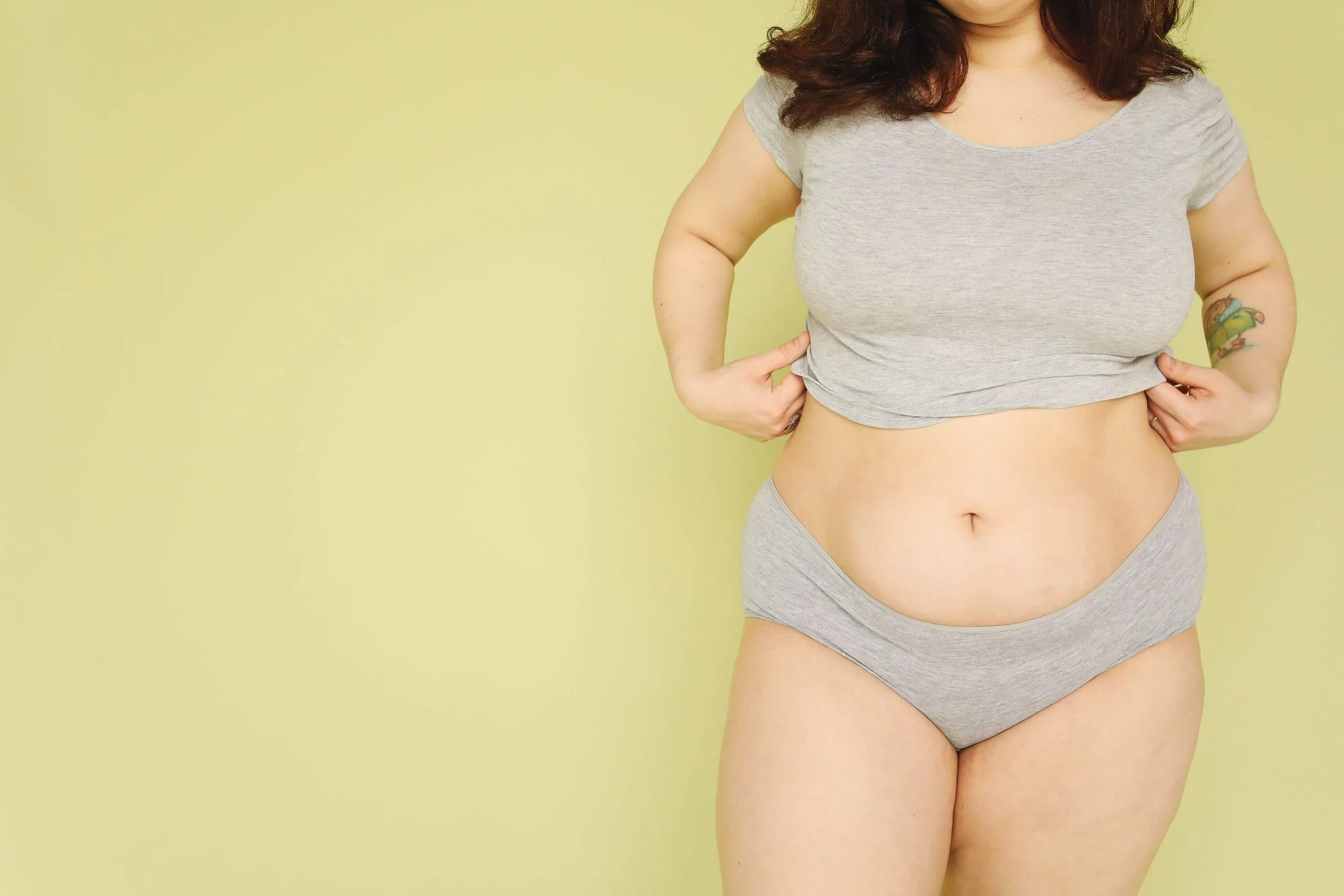
Body image is how you see, think, and feel about your body. It also includes how you act because of those thoughts and feelings. Your body image can shift based on your experiences, relationships, and surroundings.
Researcher Thomas Cash’s work helped shape how experts define body image today. The National Eating Disorders Collaboration breaks it into four parts:
Perceptual - How you see your body
Affective - How you feel about your body
Cognitive - What you think and believe about your body
Behavioral - What you do because of those thoughts and feelings
What Are Body Image Issues?
Body image issues happen when negative thoughts about your body stick around and affect your daily life. They range from mild discomfort to deep distress.
You might dread trying on clothes or zoom in on every photo of yourself. You can look “fine” to everyone around you and still feel worn out by these thoughts.
Body image issues don’t mean something is wrong with you. They’re a common response to our experiences and the messages around us.
What Causes Body Image Issues?
There’s no single cause of body image issues since many things can shape how we feel about our bodies. For some people, it comes from one thing. For others, it’s several things combined.
Here are some of the most common causes.
Social Media and Comparison
Scrolling can turn into a constant comparison game, with feeds full of filtered, edited, and carefully posed photos. In a 2023 study, college students who cut their social media time in half felt better about their looks and weight after three weeks. Even posts meant to celebrate all bodies can unintentionally center certain body types.
Diet Culture, Beauty Standards, and Profit
Diet culture ties thinness to health and worth. It shows up in before-and-after ads, detox teas, and praise for weight loss. It also fuels weight stigma, or unfair judgment based on body size. When women internalize this judgment, it can negatively impact their mental and physical health. Meanwhile, many industries profit when you feel unhappy with your body, from workout apps to anti-aging creams.
Comments From Family, Friends, and Partners
Words from people close to us can stick around for years. A parent talking about their diets, a sibling teasing you, or a partner’s “joke” can shape how you see yourself. Even kind comments, like praise for weight loss, might leave you feeling like your worth depends on your appearance. Comments about skin color, hair texture, or facial features can also impact how people feel in their bodies.
Trauma and Feeling Unsafe in Your Body
Trauma can change how you relate to your body. Childhood abuse and neglect are linked to more negative body image in adulthood, especially for people living with PTSD. After trauma, you might feel numb or disconnected from your body, making it hard to feel comfortable in your own skin.
Gender Identity and Minority Stress
LGBTQIA+ people often face extra pressure around how their bodies “should” look. Nearly 87% of LGBTQIA+ youth say they’re unhappy with their bodies. Minority stress, the ongoing strain of stigma and discrimination because of who you are, can add to this.
Puberty, Pregnancy, and Other Body Changes
Your body changes many times across your life, from puberty and pregnancy, to aging and illness. A teen might feel self-conscious about growing faster or slower than friends. After pregnancy, you might notice clothes fitting differently. Gray hair, new wrinkles, or changes from medication may also feel uncomfortable.
Signs of Body Image Issues
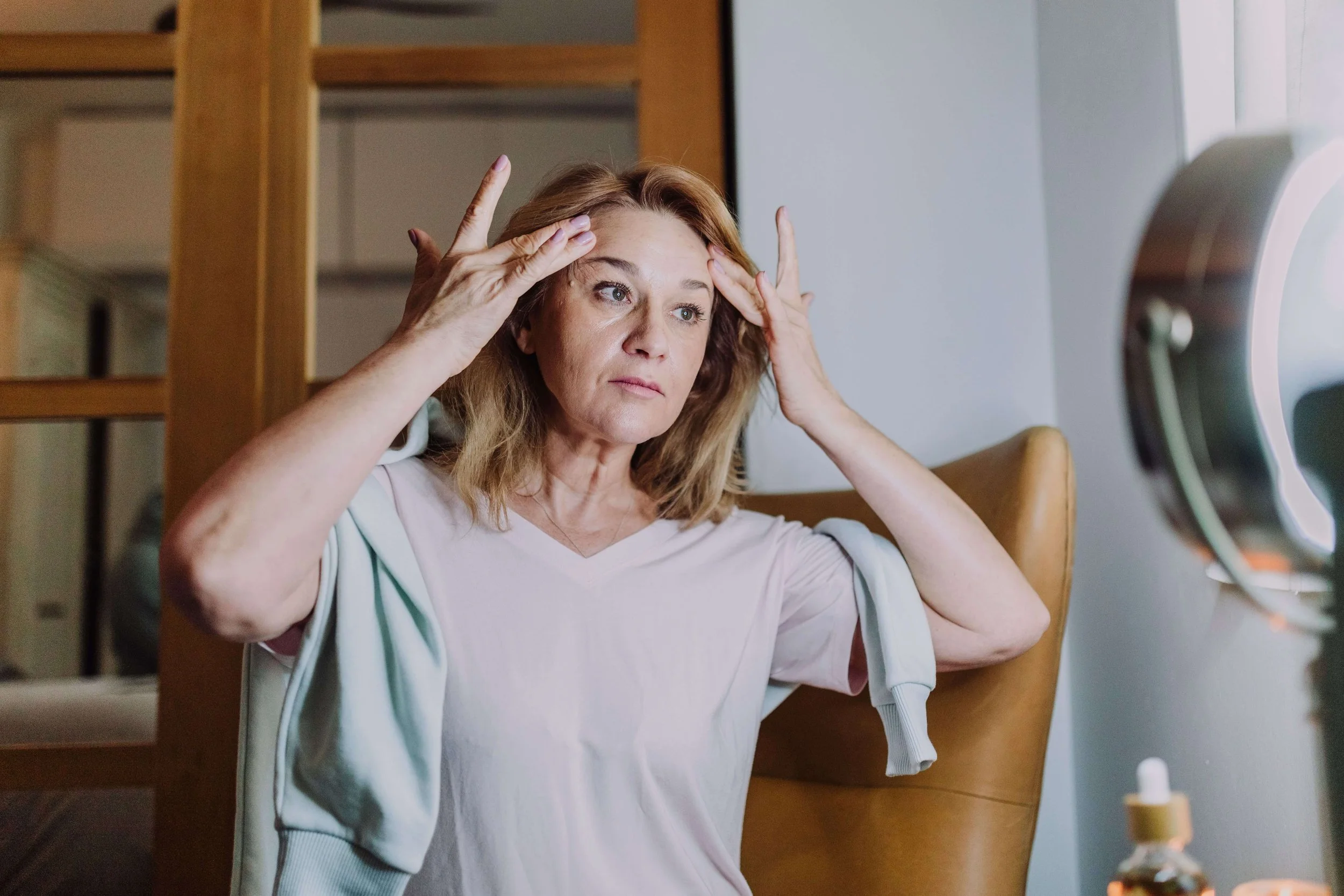
Body image issues show up differently for everyone. You might notice one or two of these signs, or perhaps many. Some may feel familiar, while others won’t fit your experience at all.
Noticing these patterns is a helpful first step, not a reason for shame.
Constant comparison: You compare your body to friends, coworkers, or people online.
A harsh inner voice: You speak negatively about parts of your body or pick yourself apart in the mirror.
Trouble with compliments: Kind words about your looks feel awkward, and you don’t know how to respond.
Body checking: You often check mirrors, pinch your stomach, or step on the scale.
Avoiding photos: You avoid taking pictures, hide in group shots, or untag yourself.
Hiding your body: You wear baggy layers or tug at your clothes to hide yourself.
Food and movement rules: You skip meals before events or exercise to “make up” for eating.
Skipping plans: You turn down beach days, parties, or dates because of how you might look.
Avoiding intimacy: Worries about your body get in the way of feeling close to your partner.
Feeling disconnected: Your body feels like something to fix instead of a place you live.
How Body Image Issues Can Affect Your Mental Health
Body image concerns can increase the risk of other mental health struggles, according to the Mental Health Foundation. In its survey of over 4,000 adults, 34% felt anxious, and 35% felt depressed because of body image concerns. Among lesbian, gay, and bisexual adults, 33% reported suicidal thoughts or feelings linked to body image.
If you’re having thoughts of suicide, you can call or text 988 anytime.
Anxiety and depression can show up in your daily life. You might spend an hour changing outfits and end up late or skip the event altogether. Worrying about how you look can also make it difficult to focus at work or school. Over time, you may feel tired, low, or less interested in things you used to enjoy.
Body image issues can also contribute to eating disorders, like bulimia, anorexia, and binge eating disorder. However, not every eating disorder centers on body image.
Overcoming Body Image Issues: Ways to Start Healing
Healing your relationship with your body is possible, one small step at a time. Here are a few places to start.
Notice Your Inner Critic
Your inner critic is the voice that comments on your body throughout the day. Start by noticing it, without judging yourself for it. Try naming it: “There’s that critic again.” You can also reframe it as “I’m having the thought that my stomach is too big.” This reminds you that a thought isn’t a fact.
Curate Your Social Media
Your social media feed shapes what feels normal to you. Unfollow or mute accounts that leave you feeling worse about yourself. Then follow creators with bodies of different sizes, ages, abilities, and genders. You can also set app time limits or keep your phone out of the bedroom.
Try Body Neutrality
Body neutrality means accepting your body without needing to love how it looks. It moves the focus from appearance to what your body does for you, in whatever ways it can. Maybe it lets you laugh at a funny show, taste your favorite meal, or feel the sun on your skin. On hard days, “My body is getting me through today” can feel more honest than forced positivity.
Reconnect With Your Body Through Sensation
Body image issues keep the focus on how your body looks. Shifting attention to how it feels can bring relief. Notice the warmth of a mug in your hands or your feet on the floor. Gentle stretching, a slow walk, or a few deep breaths can help you feel more at home in your body. If feelings come up, give them space instead of rushing to fix them.

How Therapy Can Support Body Image Healing
Therapy gives you a safe space to explore where your body image struggles started and what keeps them going. At EveryBody Psychotherapy, our therapists have specialized training in body image and eating concerns.
Our body image therapy is weight-neutral, trauma-informed, and gender-affirming. We focus on how you relate to your body, not on weight loss or dieting. Since every experience is different, we offer many types of therapy to fit your unique situation and goals.
FAQs About Body Image Issues
What are the most common body image issues?
Common body image issues include unhappiness with weight, shape, or features like skin, hair, or stomach. Many people also struggle with comparison, body checking, and avoiding photos.
For some, these concerns overlap with eating disorders or body dysmorphic disorder (BDD). BDD is a condition where someone fixates on perceived flaws that others barely notice.
At what age do body image issues start?
Body image issues can start much earlier than many people expect. Some children pick up ideas about body size as early as preschool. Others start to notice or worry about their bodies in elementary school. For many, these feelings grow during puberty, when peer opinions feel more important. Every person’s experience is different.
Who is most affected by body image issues?
Body image issues can affect anyone, at any age or size. Between 69% and 84% of women experience body dissatisfaction. LGBTQIA+ people, men, teens, and young adults are also affected often.
Start Exploring Your Relationship With Your Body
Body image issues can have many different causes, including social media, diet culture, trauma, and life changes. They show up differently for everyone, and nothing about you needs fixing.
You don’t have to figure out your relationship with your body alone. Our therapists offer weight-neutral, gender-affirming support in person in Brooklyn and Manhattan and virtually in NY, NJ, PA, and CO.
Reach out to explore therapy with us and how we can support you.
