
4 Brooklyn Eating Disorder Therapists [Available Now]
If every meal feels like a battleground, or if food noise takes up the majority of your mental space, you’re not alone—and therapy can help. At EveryBody Psychotherapy NYC, our Brooklyn eating disorder therapists specialize in helping people like you heal from cycles of restriction, guilt, or obsessive thoughts about your body. Meet our team here to find the right fit and reach out when you’re ready to start making a change.
Jump to a therapist
Christina Kennedy: Good fit for teens and adolescents navigating eating disorders with LGBTQIA+ identity
Zoe Dartley: Good fit for young adults and new or expecting moms struggling with body image
Jenna Rossi: Good fit for eating disorder care for neurodivergent teens and adults
Pam Skop: Good fit for adults with long-standing eating disorders seeking trauma-informed, body-based care
Meet our Brooklyn Eating Disorder therapists
Christina Kennedy, MHC-LP

Good fit for teens and adolescents navigating eating disorders with LGBTQIA+ identity
Eating disorder treatment for teens and adolescents requires a fundamentally different approach than adult care, and that's exactly what I'm trained to do. I work specifically with teens navigating eating disorders alongside anxiety, trauma, and identity development, including LGBTQIA+ youth who are often underserved by more traditional treatment settings. My weight-neutral, identity-affirming framework means your teen won't just work on their relationship with food; they'll build a stronger, more grounded sense of who they are, which is often the missing piece in lasting recovery for young people.
Credentials: Mental Health Counselor - Limited Permit
Specialty Areas: Eating disorders, anxiety, depression, trauma
Ages: Adolescents (ages 10-12) and teens (ages 13-18)
Zoe Dartley, LMSW
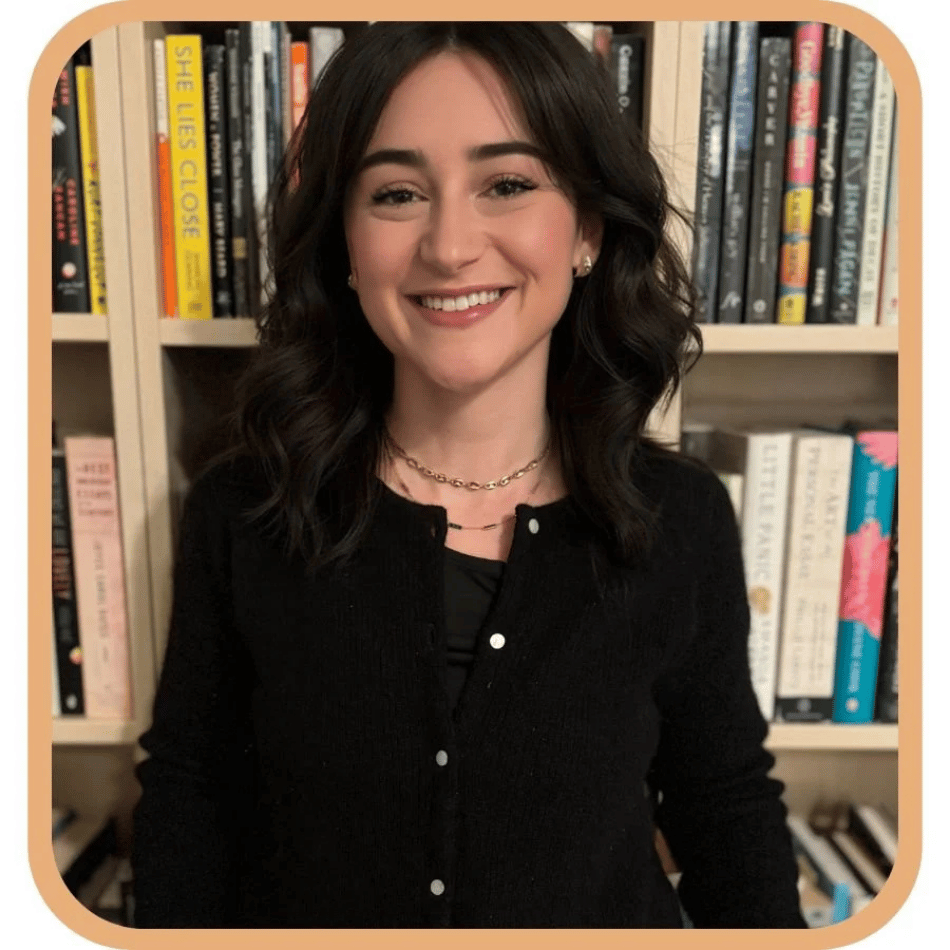
Good fit for young adults and new or expecting moms struggling with body image
Most eating disorder therapists don't specialize in perinatal care. Most perinatal therapists aren't equipped for eating disorder treatment. I work at that intersection, and it's a space where very few clinicians operate. My background as a NICU and Labor and Delivery social worker gives me a clinical understanding of how pregnancy, postpartum recovery, and major physical transitions can destabilize a person's relationship with their body. Plus, my training in Motivational Interviewing ensures our work is always driven by your goals, not a predetermined framework about what recovery “should” look like.
Credentials: Licensed Master Social Worker #117958, Motivational Interviewing Certification
Specialty Areas: Eating disorders, perinatal care anxiety, depression, life transitions, trauma
Ages: Adolescents (ages 10-12), teens (ages 13-17), and young adults (ages 18-30)
Jenna Rossi, MHC-LP
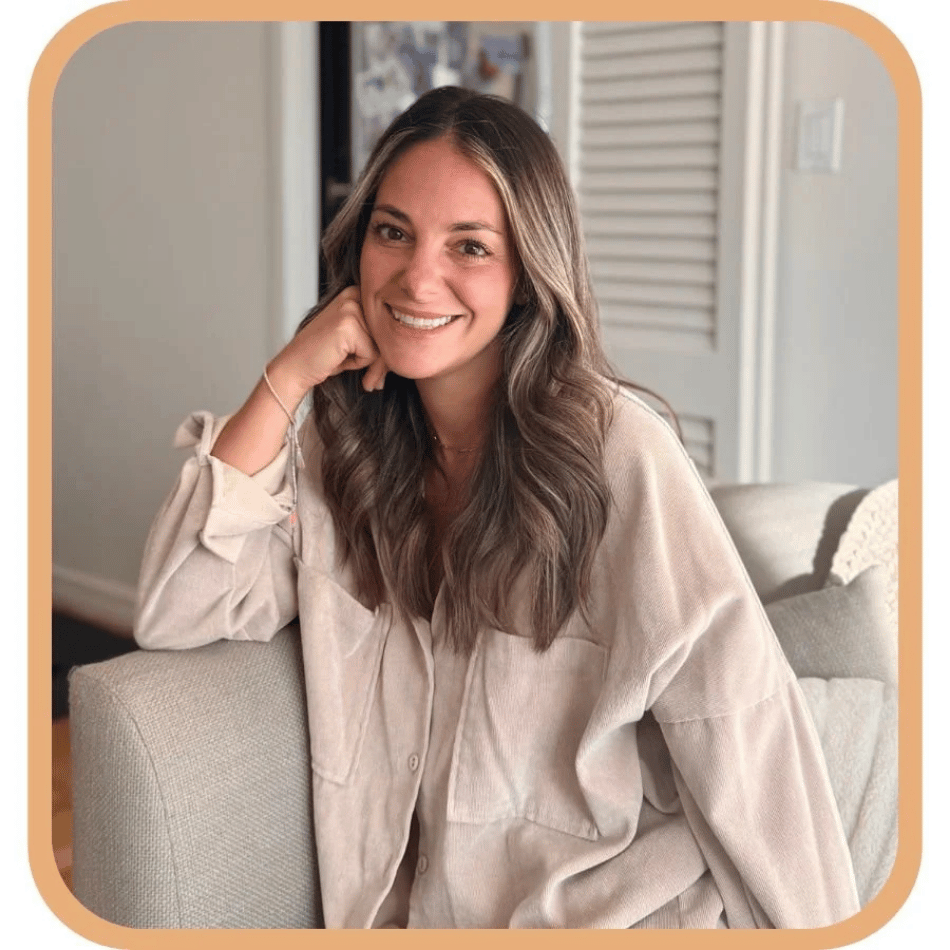
Good fit for eating disorder care for neurodivergent teens and adults
The link between neurodivergence and eating disorders is real, well-documented, and still wildly underaddressed in most treatment settings. With over a decade of experience as a school counselor supporting kids with ADHD and emotional regulation challenges, I have a deep understanding of how neurodivergent brains experience food, sensory overwhelm, rigidity, and the exhausting pressure to mask. I help clients who've spent years being misunderstood finally get sustainable support that actually accounts for how their brain works.
Credentials: Mental Health Counselor - Limited Permit, Master's Degree in School Counseling
Specialty Areas: Eating disorders, neurodivergence, anxiety, relationships, trauma, reproductive health
Ages: Adolescents (ages 10-12), teens (ages 13-17), and adults (ages 18+)
Pam Skop, LMHC, CEDS, RPYT

Good fit for adults with long-standing eating disorders seeking trauma-informed, body-based care
As a Certified Eating Disorders Specialist (CEDS)—an additional credential that most therapists don’t have—I bring a level of clinical expertise to eating disorder treatment that goes well beyond standard talk therapy. My approach weaves together trauma-informed care, nervous system regulation, and body-based modalities like somatic and sensorimotor work, all through a weight-neutral lens that never treats your body as the problem. If you’ve felt unseen or oversimplified by other providers, my hope is that this integrative approach can help you feel heard, go deeper, and find lasting relief.
Credentials: Licensed Mental Health Counselor #008651, Certified Eating Disorders Specialist, Registered Yoga Teacher
Specialty Areas: Eating disorders, perinatal mental health, trauma, relationships, life transitions
Ages: Teens (ages 14-17) and adults (ages 18-50)
What sets our practice apart from other Brooklyn eating disorder treatment centers
Weight-neutral and anti-diet framework: We never make weight loss a goal of treatment.
Diverse, specialized team: Our clinicians bring a range of credentials, lived experiences, and clinical backgrounds so you can find the right fit.
Integrative, whole-person approach: We combine talk therapy with somatic, body-based, and trauma-informed methods.
Hybrid availability: in-person in Brooklyn and Manhattan, plus virtual sessions across New York (and beyond).
Founded and led by a CEDS: Our practice owner holds the gold standard credential in eating disorder treatment.
What to expect from the therapy process
1. Free consultation call
We start with a brief, no-pressure phone call to learn about what you're going through and help you figure out which therapist on our team might be the best fit for you.
2. Your first session
Your first session is all about getting to know you: your history, your relationship with food and your body, and what you're hoping to get out of our work together.
3. Collaborative goal-setting
Together, we'll identify what recovery looks like for you personally. You're the expert on your life, and our job is to support and guide you, not hand you a one-size-fits-all plan.
4. Ongoing, evolving work
Healing isn’t often a linear path. Sessions typically happen weekly, and we'll regularly check in to make sure the work continues to feel relevant, grounded, and meaningful as you grow.
FAQs about eating disorder therapy
-
Our approach is integrative, trauma-informed, and weight-neutral. We combine a range of modalities, including CBT, DBT, IFS, and somatic work, to create a treatment plan that’s customized to you. We also focus on the mind-body connection and work collaboratively to help you build a more peaceful, sustainable relationship with food, your body, and yourself.
-
Our team has experience working with a wide range of eating disorders and disordered eating patterns, including anorexia, bulimia, binge eating disorder, ARFID, and orthorexia, as well as chronic dieting, emotional eating, and body image concerns that don't fit neatly into a diagnosis.
-
Therapy helps you understand the thoughts, feelings, and patterns that drive your relationship with food, and build new ones that help you feel more balanced. You'll develop coping skills, process underlying trauma or anxiety, and work toward greater body trust, self-compassion, and freedom from the rules and rituals that have been running the show.
-
Outpatient therapy (what we offer) is a great fit for people who are medically stable and ready to do ongoing therapeutic work. If you're unsure whether you need a higher level of care (such as IOP or residential), we'll have that honest conversation with you during your consultation and help connect you with the right resources if needed.
-
Yes, eating disorder treatment is typically covered by insurance. That said, we are a private-pay practice and do not accept insurance directly. However, many of our clients use out-of-network benefits to offset the cost of sessions. We're happy to provide a superbill you can submit to your insurance provider, and we encourage you to check your out-of-network coverage before your first session.
